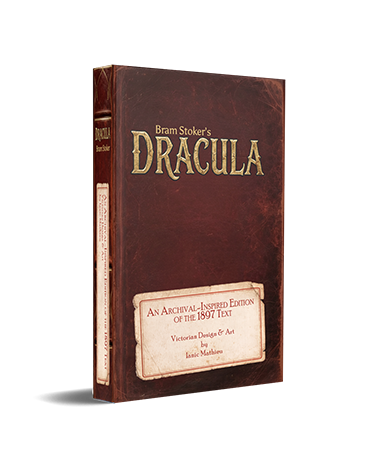
Bram Stoker's
Dracula
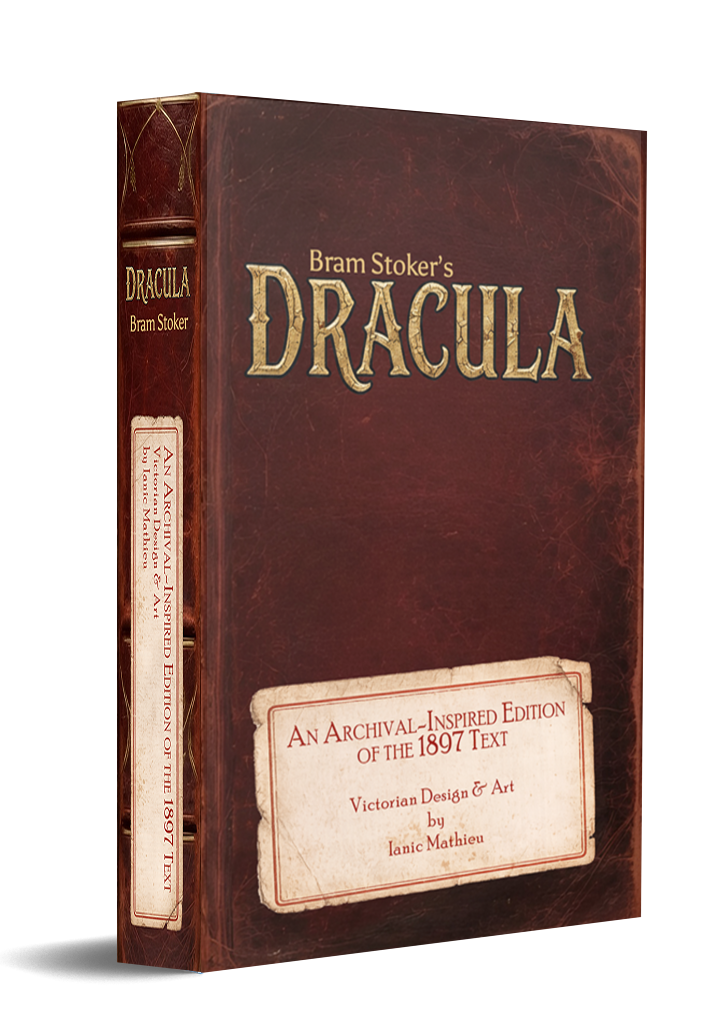
An Archival-Inspired Edition of the 1897 Text
Victorian Design & Art by Ianic Mathieu
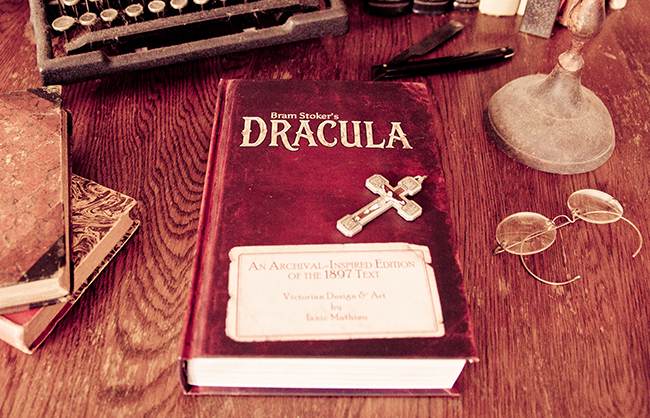
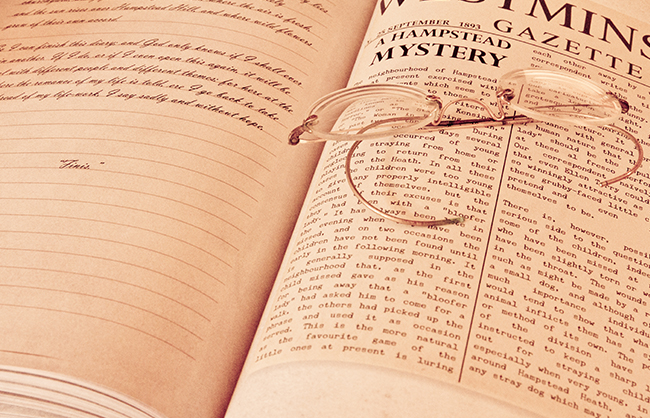
This archival-inspired edition of Dracula presents the story through reproductions of journals, letters, telegrams, newspaper clippings, and other documents, along with visual interpretations of objects referenced in the text, inviting readers deeper into the world of the novel.
Profile
Edition
Original 1897 text by Bram Stoker. Layout, design, and Victorian artwork by Ianic Mathieu.
Pages
650
Style
Illustrated epistolary novel
Formats
Full color English edition available in hardcover and paperback
Font
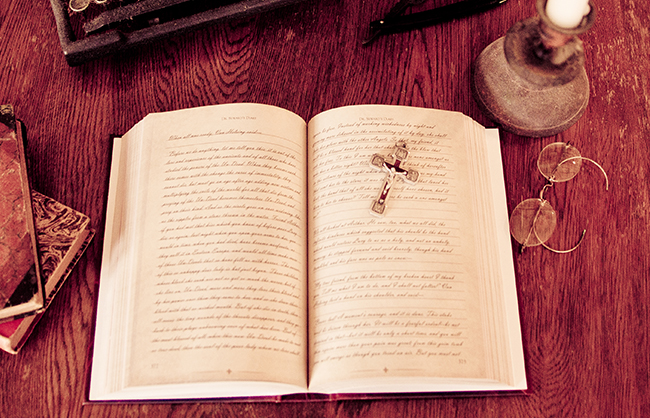
A considerable portion of the text appears in cursive script, reflecting the period.
Available in Montreal at Boutique Médiévale Dracolite
6370 Rue St-Hubert,
Montreal, QC
Layout & Illustrations
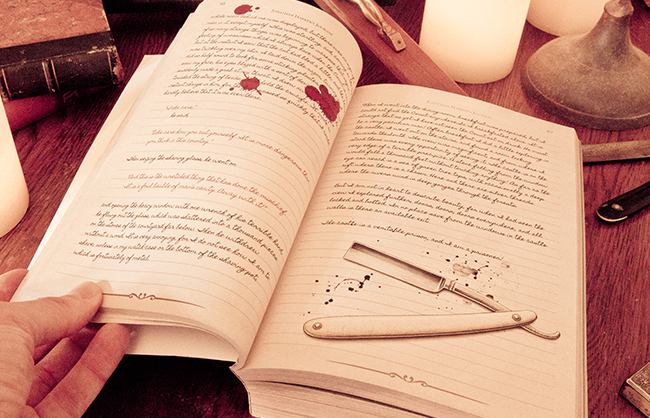
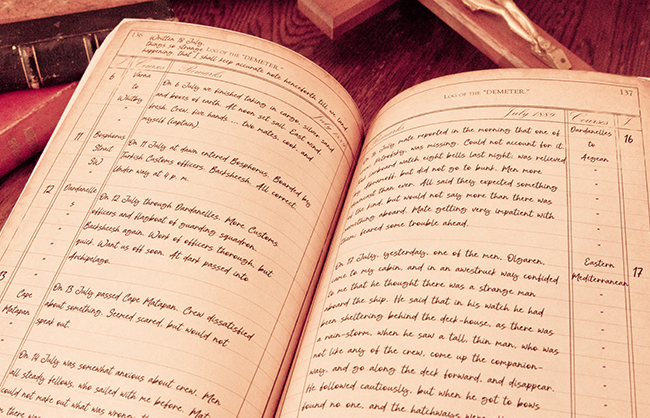
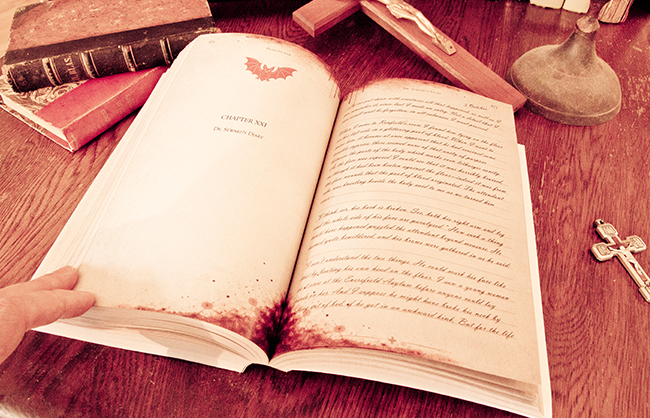
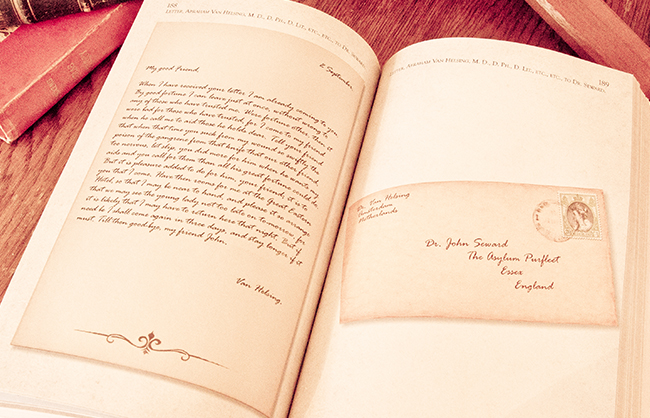
Each page of this novel has been carefully edited. Every journal, letter and diary is rendered in a distinct style. Each character is expressed through a unique handwriting, whether it be Jonathan Harker, Mina Harker, Lucy Westenra, Dr. John Seward, Abraham Van Helsing, or the Count himself.
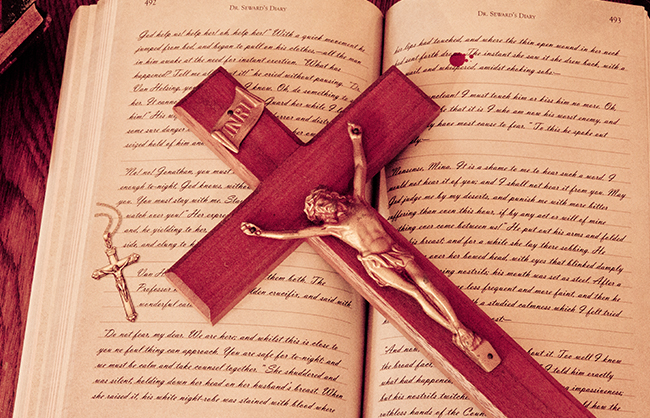
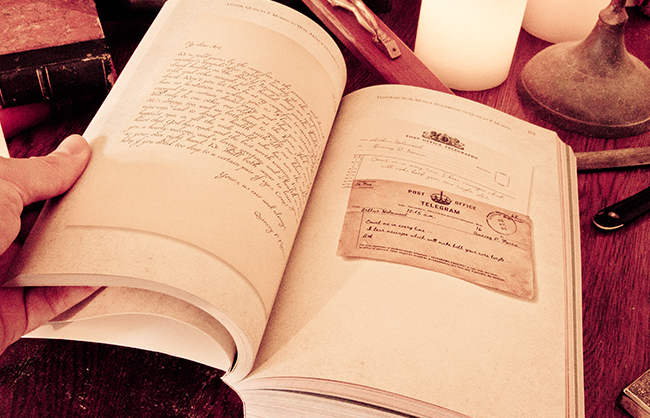
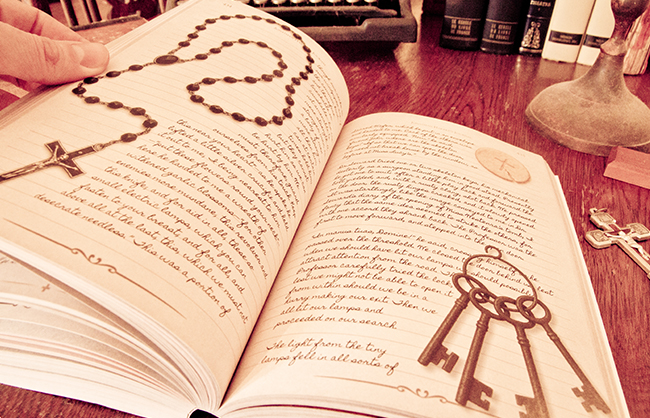
From flies, keys, and candles to crucifixes, railway tickets, telegrams, letters, and notes, each element has been meticulously designed and arranged, then brought together in an elegant and original layout.
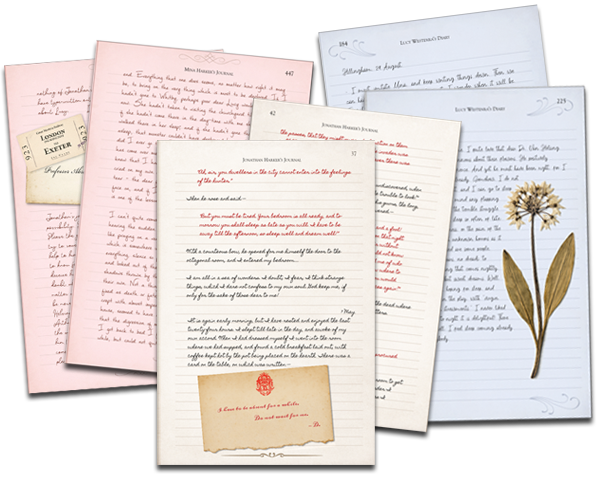
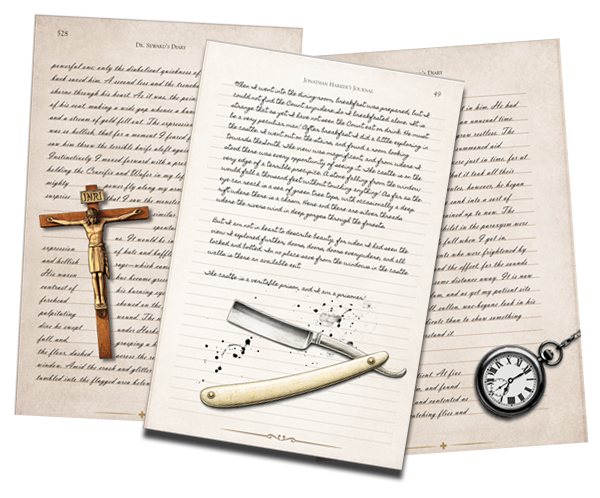
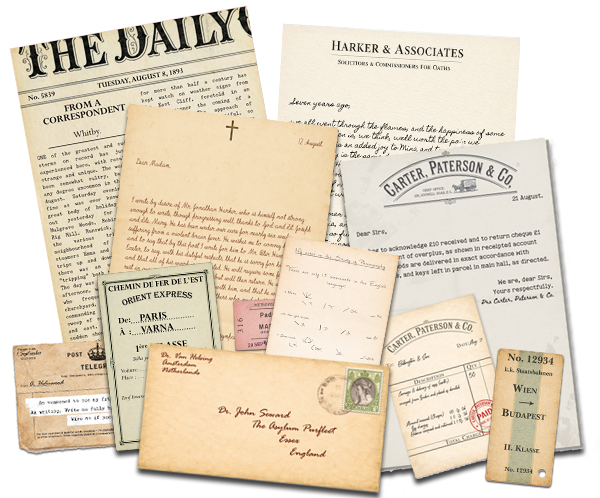
Reproduced directly on the pages of the book. No separate inserts.
*These elements are not presented as historically exact reproductions. They serve as visual interpretations, informed in part by research and in part by creative judgment, designed to enhance the reading experience.
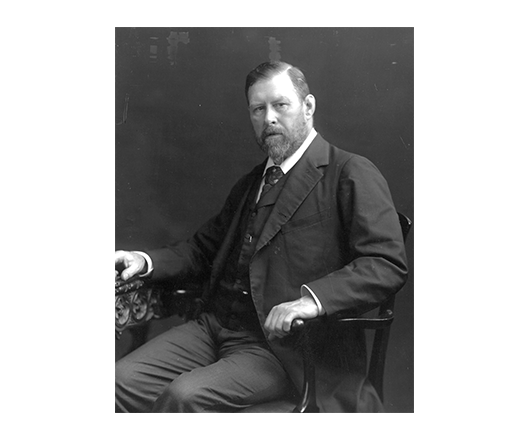
About the Illustrator & Editor
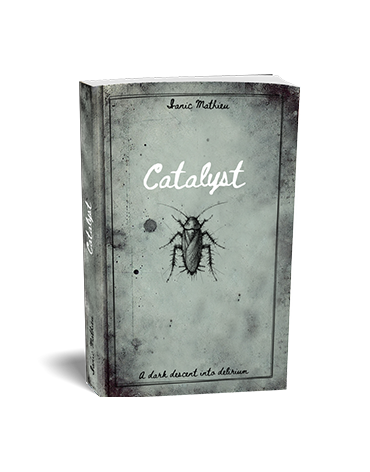
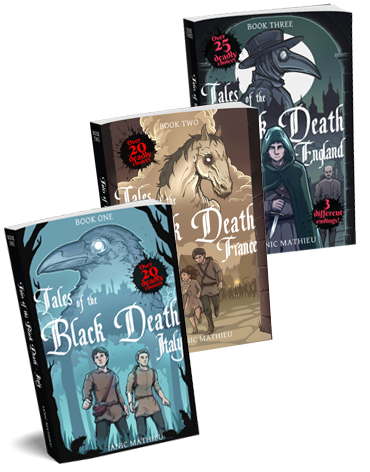
Ianic Mathieu is a writer and illustrator with a background in industrial design, as well as 2D and 3D design and animation. He has worked as a 3D modeler, texturer, and renderer on multiple projects, including a nine-year tenure at Softimage. His experience as a narrative designer in the video game industry led him to adapt and illustrate a series of self-published works, including Catalyst: A Dark Descent into Delirium and the survival series Tales of the Black Death.
A Glimpse Within
Enter the pages themselves, where the quiet dread and mounting desperation of the narrative are made visible through form, texture, and detail.
- Book Details
-
Dimensions: 6 × 9 in (15.24 × 22.86 cm)
Print: Premium color on white paper
Typography: Cursive script fonts
Length: 650 pages
- Editor's Notes
- In Bram Stoker’s original Dracula, the narrative is presented as a compilation of journal entries, letters, and other records that were transcribed and arranged into a single typescript by Mina Harker. This edition, by contrast, presents the documents in their original forms, as they were written by the participants at the time the events occurred. Additionally, this edition includes visual representations of items mentioned in the book such as train tickets, telegrams, crucifixes, wooden stakes, and more. These elements are not intended to be historically accurate; rather, they function as playful visual enhancements. They result from extensive research in some cases, and momentary inspiration in others, intended to enrich the reader’s experience rather than serve as documentary reproductions.
- Notes on Shorthand Text
- Jonathan Harker’s journal was originally written in shorthand, a system commonly used by clerks and solicitors and understood by the relatively few trained in stenographic notation. Mina also employed shorthand in several of her journal entries. For the sake of clarity in the present edition, all shorthand passages have been rendered in a legible cursive script. This approach preserves the intimate and personal character of Jonathan’s and Mina’s writing while ensuring accessibility for contemporary readers.
- The Editing
- Minor editorial changes have been made solely for clarity and consistency. These adjustments are limited to formatting and presentation and do not alter the wording, meaning, or narrative substance of the original text.
- Art and Illustrations
- The art and illustrations combine vector art, 2D illustration, and 3D rendering. Each element is composed digitally, then edited, transformed, and refined within image editing software. The book itself is designed and assembled using professional layout software.